
Using Tarot During Grief or Difficult Times
During grief, Tarot is not meant to explain or resolve. This guide offers a gentle way to use Tarot for presence and reflection when clarity is not yet possible.

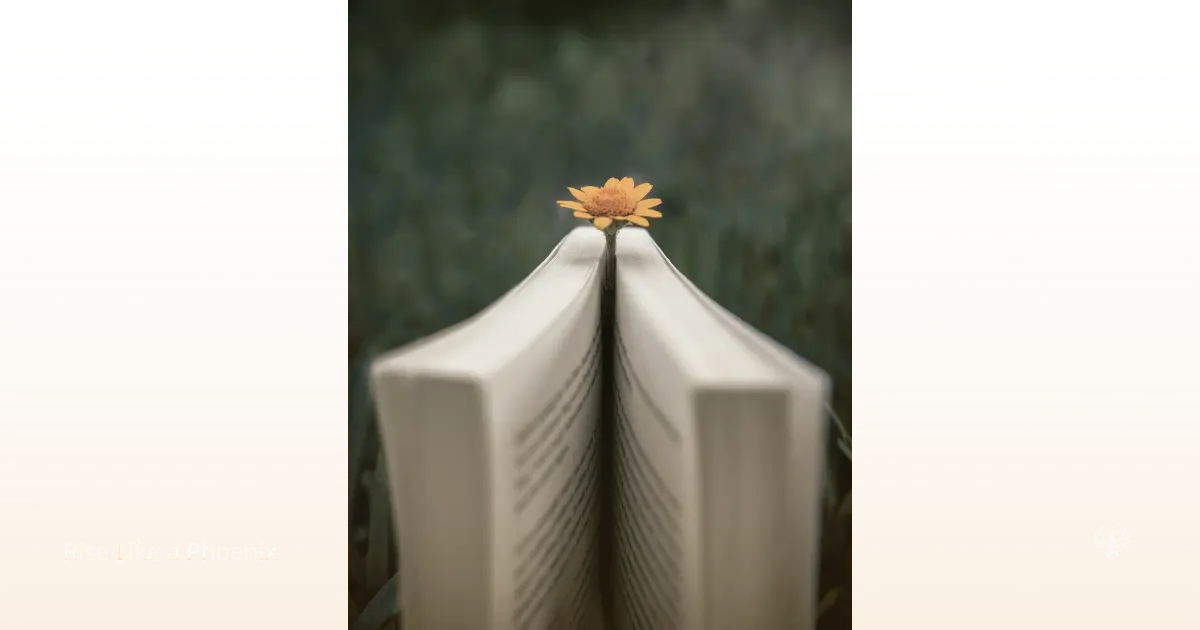
A Gentle Practice for Presence, not Answers
Grief and difficult life periods change how we relate to everything - including Tarot.
During loss, uncertainty, illness, burnout, or emotional upheaval, many people turn to Tarot for clarity, reassurance, or direction. Often, they are met instead with confusion, silence, or cards that feel heavy or unclear.
This does not mean Tarot has failed.
It usually means the purpose of the practice needs to change.
In times of grief or difficulty, Tarot is most supportive when it is used not to seek answers, but to stay present with what is already unfolding.
In grief, presence matters more than understanding.
Grief Changes How We Perceive Meaning
Grief is not only emotional. It affects attention, memory, the body, and the nervous system.
During difficult periods, you may notice:
- difficulty concentrating
- emotional numbness or overwhelm
- lack of intuitive "response" to symbols
- fatigue when trying to interpret meaning
This is not resistance or lack of intuition. It is a protective response.
Tarot does not override this state - and should not try to. When used gently, it can support awareness without adding pressure.
When Tarot Is Not About Insight
In grief, the most honest use of Tarot may be to stop trying to understand.
There are moments when the question is not:
- What does this mean?
- What should I do?
But simply:
- Can I stay with this moment without fixing it?
Tarot can serve as a quiet anchor rather than a source of interpretation.
In difficult times, clarity is not always available.
Presence often is.
A Gentle Orientation Before Reading
Before using Tarot during grief or distress, it helps to adjust expectations.
Tarot is not here to:
- explain loss
- provide reassurance
- promise resolution
- speed up healing
Tarot can help:
- slow attention
- create a small container for reflection
- acknowledge what is present without judgement
If a reading feels confusing or empty, that is not a mistake. It may be the most honest response available.
Silence is a valid response.
Tarot as Presence, Not Answers
In the examples below, cards are referenced by name only.
The focus is not on traditional meanings, but on how Tarot can gently mirror experience without interpretation.
There is no need to look up card meanings.
Example 1: Grief After Loss
Card drawn: Four of Swords
Instead of asking what the card "means", notice what it allows.
For someone in active grief, this card may simply reflect:
- exhaustion
- the need for rest without explanation
- permission to stop processing
No insight required.
The card does not ask for understanding - only acknowledgement.
Example 2: Emotional Numbness
Card drawn: The Moon
This card is often associated with confusion or fear, but during grief it may reflect:
- uncertainty that cannot yet be clarified
- emotions that are present but inaccessible
- a period where trust is built through patience, not answers
The card does not demand interpretation.
It normalizes not knowing.
Example 3: Overwhelm or Burnout
Card drawn: Ten of Wands
Rather than reading this as "burden" or "responsibility", the card may simply mirror:
- how much is being carried
- the absence of space to reflect
- the need to set something down, even temporarily
Tarot here becomes a recognition tool, not guidance.
When Nothing Comes Up at All
During grief, it is common to feel:
- no emotional response to a card
- no recognition
- no sensation
- no insight
This is not failure.
Silence can be:
- a sign that the nervous system needs rest
- an indication that meaning will unfold later
- a reminder that some experiences cannot be understood immediately
Tarot does not need to "work" in order to be supportive.
Sometimes the most honest reading is: nothing needs to be done right now.
A Simple Practice for Difficult Days
This practice avoids interpretation entirely.
- Sit with the deck without asking a question.
- Draw one card and simply look at it briefly.
- Ask only:
- What does this moment feel like in my body?
- What do I need less of right now?
- Put the card away.
There is no journaling requirement.
No conclusion is needed.
The purpose is gentle presence, not insight.
When Not to Use Tarot
There are times when Tarot is not the appropriate support.
It may be better to pause when:
- emotional intensity feels unmanageable
- you feel pressure to "figure it out"
- the same question is asked repeatedly
- Tarot begins to increase anxiety
Choosing not to read is not avoidance.
It can be an act of care.
Tarot, Responsibility, and Care
Tarot should never replace:
- professional support
- rest
- human connection
- self-compassion
During grief, Tarot is a companion, not a solution.
If used, it should:
- reduce isolation, not deepen it
- slow the process, not accelerate it
- support presence, not interpretation
For a deeper discussion of responsibility and boundaries, see "Tarot and Inner Authority: Reclaiming Guidance Without Surrendering Responsibility"
Explore how Tarot interacts with the nervous system, and how to work with the body safely during reflection in "Tarot, the Body, and the Nervous System: Why Tarot can Trigger Emotions, Sensations, and Deep Inner Responses"
Avoiding Spiritual Bypassing During Grief
Tarot should never be used to:
- Justify loss
- Explain pain away
- Force meaning prematurely
Insight arrives in its own time.
Tarot's role is companionship, not consolation.
A Gentle Disclaimer
Tarot cards do not carry fixed meanings, instructions, or timelines - especially during grief.
Any example shared here is illustrative, not prescriptive.
Tarot should always be interpreted in relation to the individual, their situation, and their capacity in the moment.
If Tarot feels unhelpful, that does not mean you are doing it wrong.
It may simply mean another form of support is needed right now.
Grief does not ask to be understood.
It asks to be held.
Tarot, used gently, can help you stay present without demanding answers, interpretations, or progress. In difficult times, that may be enough.
When clarity returns, Tarot will still be there.
Until then, presence is sufficient.